
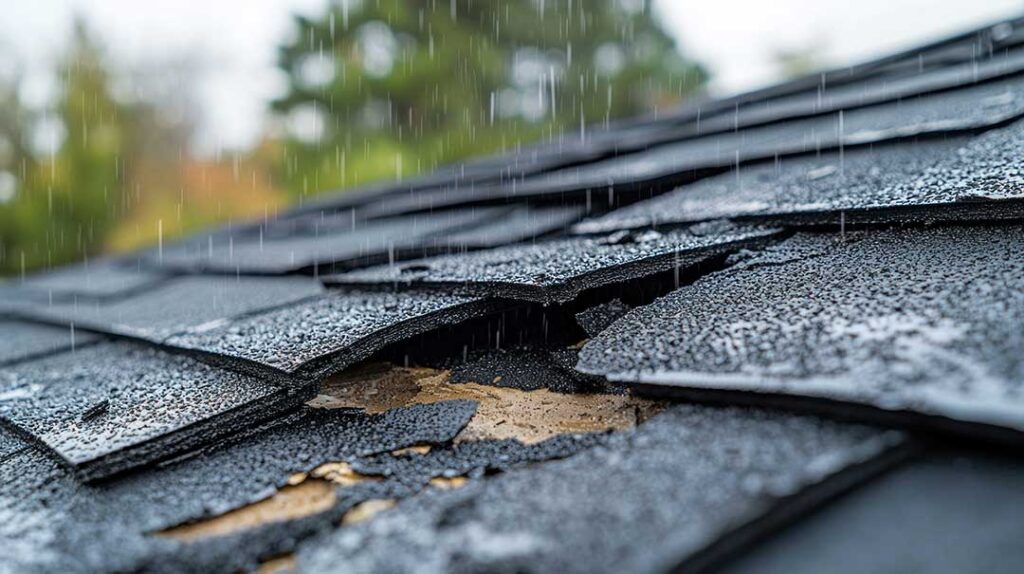
Why Check Your Roof After a Storm?
Quick visual and physical roof inspections are crucial after storms in Wolcott, NY. Even minor weather events can cause damage that may be overlooked from the ground. Detecting damage early can prevent leaks, interior water issues, and expensive repairs. Storms in the area range from heavy snow and wind in winter to summer thunderstorms and hail, all of which can impact local roofing materials.
What Are the First Signs of Roof Damage Residents Should Look For?
Initial signs of storm damage are often visible without climbing onto the roof. Start by inspecting from the ground and inside your home:
- Look for missing, cracked, or curled shingles or roof tiles.
- Notice piles of granules (small sand-like material) from asphalt shingles near gutters or downspouts.
- Check for damaged or displaced flashing (the thin metal strips around chimneys, vents, and skylights).
- Examine the attic and ceilings for wet spots, drips, or new stains, indicating possible leaks.
These checks help identify obvious problems before they lead to larger issues.
How Should a Safe Exterior Roof Inspection Be Conducted?
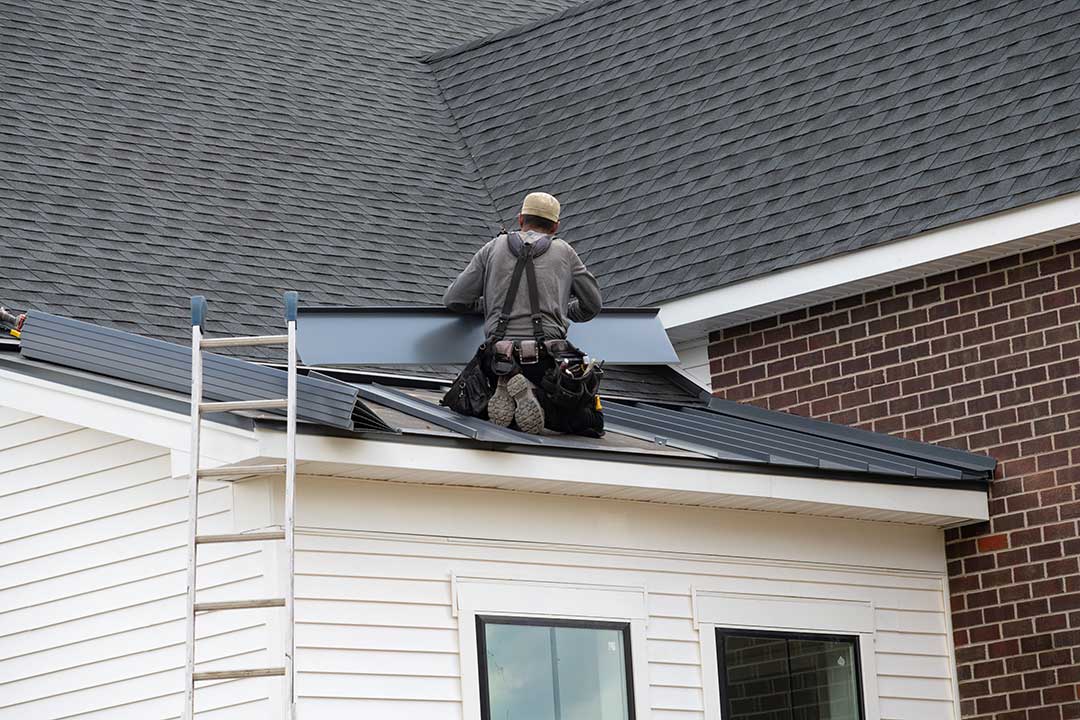
Begin with a ground-level walk-around, using binoculars if possible. Only use a ladder if weather and physical ability allow, and always prioritize safety.
- Inspect the roof surface for visible dents, missing sections, or large debris such as branches.
- Examine the gutters for blockages, sagging, or attached shingle debris.
- Check for hanging or broken gutters, fascia boards, or soffit areas, especially after severe wind.
Wolcott’s dense tree coverage means branches or heavy limbs may cause punctures or scrapes—not always obvious without a closer look.
What Are the Risks of Ignoring Hail and Wind Damage in the Community?
Strong winds and hail in Wolcott can displace shingles and expose underlayers to the elements. Unlike more dramatic types of storm damage, hail cracks and wind-lifted tabs may seem minor but weaken protective barriers. Ignoring these can allow water to infiltrate, leading to mold, rotting supports, or interior ceiling damage over time.
Local houses with aging roofs or prior repairs are especially vulnerable, as repeated storms can loosen fastenings gradually.
Is There Damage That Might Not Be Immediately Obvious?
Some problems require careful observation or occur in places not easily seen:
- Soft spots in the roof decking indicate underlying rot or moisture absorption.
- Small punctures from hail, or nails backing out from vibration, may allow slow leaks.
- Nails, shingles, or granules collected around the property often signal issues higher up.
Area residents sometimes overlook small discolorations or feel only slight dampness in attics, not realizing these early indicators of leaks may worsen without intervention.
What Interior Areas Should Be Checked After a Storm?
Roof leaks can sometimes first appear inside. Thoroughly checking attic spaces and top-floor rooms for issues is essential. Common indicators include:
- Unusual dampness or musty smells, especially after heavy rain or wind.
- Light shining through attic boards, signifying holes or gaps.
- Watermarks or peeling paint on ceilings and upper walls.
These symptoms suggest water intrusion and should be checked soon after severe weather.
How Does Wolcott’s Weather and Housing Affect Roof Inspections?
Regional conditions play a big role in what area residents should look for. Heavy winter snowfall and freeze-thaw cycles can stress older roofing systems, causing ice dams or shifting shingles. Spring and fall storms in the city often bring strong, swirling winds that may lift vulnerable sections.
Homes with low-pitch roofs may be more susceptible to pooling water after storms, whereas houses near the Lake Ontario shoreline can get greater wind exposure. Properties surrounded by mature trees also experience more debris accumulation, which can cover up or create damage.
Are There Common Misconceptions About Storm Damage?
A frequent misconception is that all storm damage will be sudden or dramatic, such as large leaks or visibly missing roof sections. However, in Wolcott many issues appear gradually, such as small granule losses after each storm that eventually lead to bare shingle patches.
Another misconception is that new roofs are immune to damage. Even recently replaced systems can suffer from wind-driven rain or flying debris if installation was not ideal, or when storms are especially severe.
When Should Local Residents Seek Additional Help for Roof Issues?
Most post-storm roof inspections can be handled independently with care. However, extreme caution is needed if:
- The roof is steep, slippery, or visibly unstable.
- Electrical wires are down or tangled with roof debris.
- There are large or structural impacts—such as a heavy tree limb causing visible collapse.
In these cases, safety or legal compliance requires that local emergency services or relevant authorities be notified before anyone attempts repairs or further inspection.
