
Can Nearby Tree Limbs Really Impact the Condition of My Roof?
Tree limbs overhanging houses in Wolcott, NY neighborhoods can have a bigger effect on roof health than many residents realize. While large, mature trees add shade and curb appeal to area homes, their branches—if left unchecked—can directly contribute to both gradual wear and acute roof problems. Regular awareness of the relationship between trees and roofing can help property owners avoid avoidable repairs and unexpected damage.
What Are the Main Ways Tree Limbs Interact With Roofs?
Even when limbs don’t appear to touch shingles, they still influence the roof’s durability. Here’s how local roofs are affected:
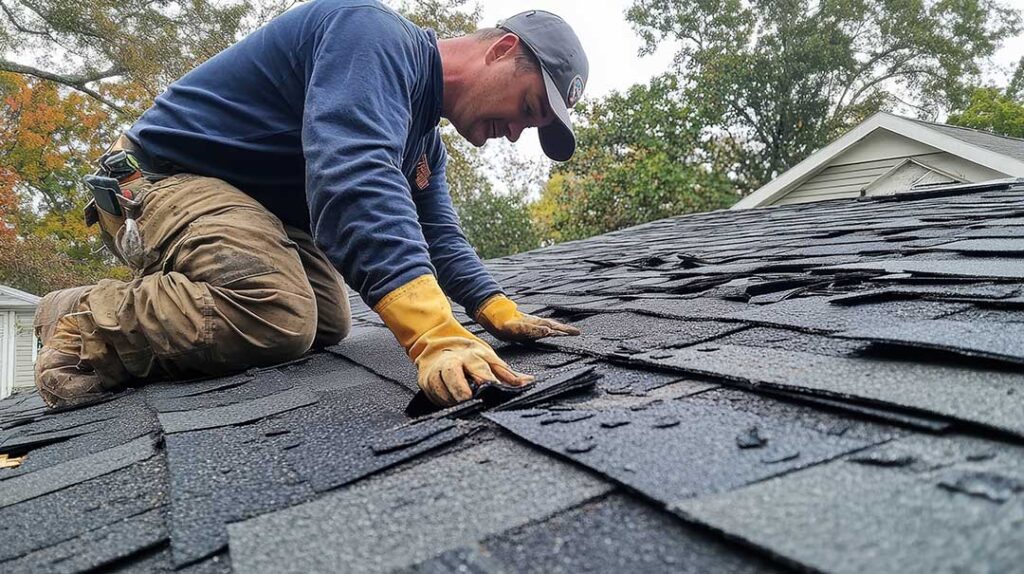
- Physical contact: Branches that brush against shingles scrape away protective granules and coatings. Over time, constant abrasion can erode surface layers, increasing the risk of leaks, early shingle aging, or exposure of underlayment.
- Falling debris: Leaves, twigs, seed pods, and blossoms accumulate in gutters and valleys. Buildup traps moisture, leading to clogged drainage, roof deck rot, or ice damming in winter.
- Shade and moisture: Large limbs provide extra shade, which can lengthen drying times after rain or heavy dew. Damp conditions are favorable for moss, algae, and lichen, which loosen shingles and worsen roof structure issues.
- Animals and pests: In Wolcott, overhanging trees create easy roof access for squirrels, raccoons, and insects. These animals may chew, scratch, or burrow into roofing or attic spaces, sometimes leading to interior damage.
- Storm hazards: During windstorms, heavy snow loads, or ice events, limbs may crack or break and land on roofs. These impacts range from tapping noises to structural punctures or full collapse, especially with older trees.
Why Is This a Particular Concern for the Wolcott Area?
The climate and tree varieties in Wolcott create a unique set of challenges:
- Frequent seasonal changes: The area’s cold winters, wet springs, and occasional high winds increase the likelihood of ice-laden branches, limb breakage, and rapid moss/algae growth.
- Common local tree species: Maples, oaks, and pines are known for extended canopies and heavy annual leaf/needle drops. Pine needles in particular are known to clog gutters quickly and hold moisture near the roof surface for longer.
- Neighborhood density and lot sizes: Many local homes are situated on lots where mature trees were preserved, and roofs often sit close to property lines. This means limbs from more than one property may hang over a single roof, complicating maintenance.
How Quickly Can Damage Happen If Limbs Overhang My Roof?
Some effects are gradual; others are sudden. Regular overhanging limb contact accelerates wear in as little as one to two seasons. Moss or lichen colonies often become visible within a single growing season in shaded areas. Gutters may fill and overflow after a single autumn’s worth of leaf drop, leading to evidence of water pooling near the edges or at roof intersections.
More severe problems—like a storm-downed branch punching through shingles—are rarer but can occur with little warning, especially after ice storms or nor’easters common to the region.
What Maintenance Steps Are Practical for Wolcott Homeowners?
Homes in this area benefit from a blend of seasonal checks and long-term planning:
- Walk the perimeter twice a year (spring and fall) to spot any overhanging limbs or debris buildup
- Clear valleys, gutters, and roof edges of leaves, pine needles, and seed pods before and after heavy seasonal shedding
- Monitor shady, north-facing, or low-sun areas for signs of moss, algae, or persistent dampness
- Trim smaller branches and keep them several feet away from the roof surface if safe to do so
- Consider gently directing water flow away from trouble spots using splash blocks or gutter extensions where downspouts often back up
For mature trees or limbs close to utility lines, area residents should check local regulations or reach out to the appropriate municipal office before taking action. The local municipality may have rules about trees straddling property lines or utility right-of-ways.
Are There Risks or Misconceptions About Trees and Roofs?
Several common beliefs can lead to confusion:
- *Myth: Only large branches pose a problem.* In reality, even small twigs, seed pods, or pine needles can clog gutters or create decay-friendly pockets, especially in hidden roof spots.
- *Myth: An older tree automatically means higher risk.* Healthy, well-pruned older trees with good branch structure may be safer than fast-growing, poorly-maintained younger ones. Age matters less than shape and placement.
- *Misconception: Roofs in shaded yards aren’t as vulnerable to sun damage, so shade is always a positive.* While shade does slow UV wear, chronic dampness introduces a separate set of risks.
- *Risk: Trying to cut large limbs yourself can be dangerous and may result in unintended roof or tree damage.* For heights or branches near wires, consult municipal guidance.
How Does Local Weather Influence Tree-Induced Roof Problems?
Wolcott experiences a climate that can intensify tree-roof impacts:
- Late spring and fall are peak times for leaf, blossom, and seedfall, increasing debris loads on roofs and in gutters.
- Summer humidity paired with ample tree shade enhances moss and algae growth, more noticeable on north-facing slopes.
- Winter snow and ice can weigh down branches, sometimes causing them to snap. Ice dams—caused by melted snow running down to clogged eaves—can back up under shingles and into attics.
- Windstorms crossing the lake plain may snap weakened branches or topple entire trees, occasionally during summer thunderstorms or autumn wind events.
Regular inspections after these events help catch problems early, before small issues lead to greater expenses.
What Are Some Subtle Warning Signs That Problems Are Developing?
Not all roof/tree issues are immediately obvious. Local residents should look for:
- Shingle edges that look lifted or curled near tree lines, sometimes caused by moss or animal activity
- Gutter overflow during rain, even without visible blockages on the ground
- Soft or discolored spots under eaves
- Small plants or moss colonies visible from the ground in valleys or at roof intersections
- Bite marks, holes, or evidence of animal nests in roof vents or fascia
Addressing these subtle warning signs promptly can prevent bigger issues, especially through the unpredictable weather that shapes daily life in this region.
