
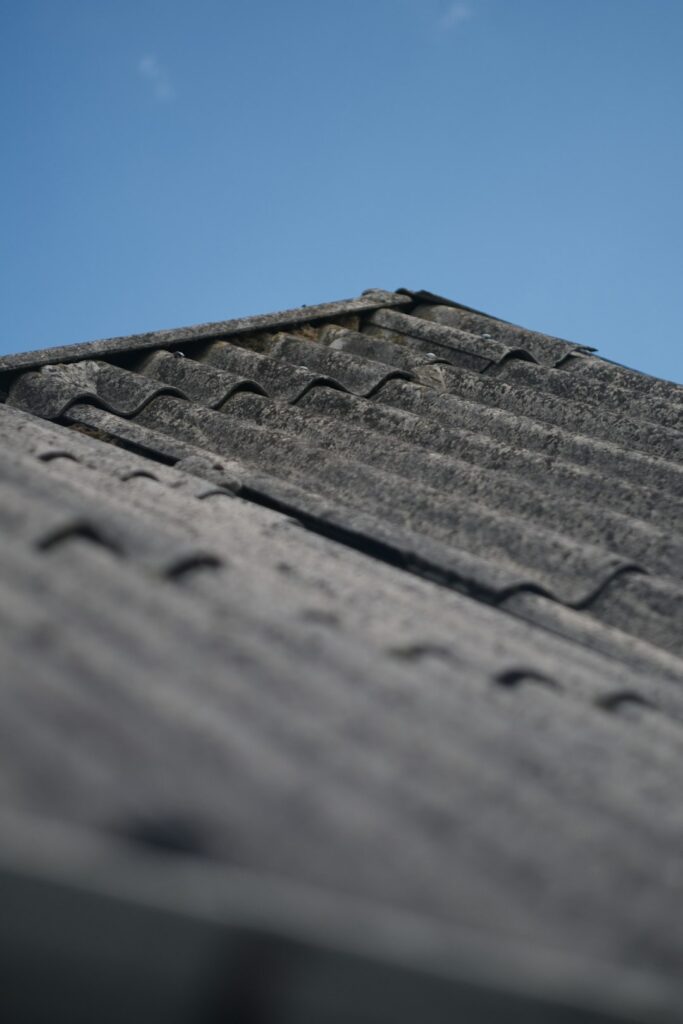
Sun exposure affects roofing gradually, often causing damage before a leak appears. Ultraviolet radiation, repeated heating and cooling, and uneven shade can weaken shingles, dry out protective materials, and shorten the useful life of a roof.
For residents of Wolcott, NY, sunlight is only one part of the roof’s environment. A roof also has to handle winter cold, snow, wind, spring moisture, and summer humidity. Understanding how sunlight contributes to aging makes it easier to recognize problems early.
How does sunlight damage roofing materials?
Sunlight affects a roof mainly through ultraviolet radiation and heat. Ultraviolet rays break down the chemical compounds that help roofing materials remain flexible and water-resistant. Over time, exposed surfaces can become brittle, faded, rough, or cracked.
Heat adds another type of stress. A roof may become much warmer than the surrounding air during a sunny afternoon, then cool rapidly after sunset or during a passing storm. These repeated temperature changes cause roofing materials to expand and contract.
The process is slow, but years of movement can weaken seals, loosen granules, and open small gaps around joints and edges. A roof does not need to look severely damaged for sunlight to have already reduced its weather resistance.
Why do some parts of a roof age faster than others?
The sun does not reach every roof surface equally. Slopes facing stronger afternoon sunlight typically experience more heat and ultraviolet exposure than shaded slopes. Roof sections with fewer trees or nearby buildings may also age faster.
Uneven aging is common around:
- South- and west-facing roof slopes
- Roof areas above large rooms or attic spaces
- Shingles near metal flashing or dark roof features
- Exposed ridges, hips, and roof edges
- Areas where tree shade covers only part of a roof
- Sections affected by nearby walls, chimneys, or roof additions
Shade can reduce direct sunlight, but it does not automatically protect a roof from damage. Shaded areas often stay damp longer after rain or snowmelt. Moisture, moss, algae, and slower drying can create a different set of problems.
A roof with both sunny and shaded sections may show noticeably different colors and surface conditions even though all of the materials were installed at the same time.
What are common signs of sun-related roof aging?
Sun damage often appears as surface changes before it develops into an obvious leak. Common signs include:
- Faded or uneven shingle color
- Blistering, curling, or cracked shingle surfaces
- Loss of the small mineral granules that cover asphalt shingles
- Bare patches where the underlying asphalt is visible
- Brittle shingles that break rather than flex
- Dried or cracked sealant around flashing
- Exposed fasteners or deteriorated roof cement
- A large amount of granules collecting in gutters or downspouts
Color change alone does not always mean a roof is failing. Some fading is normal, especially after many seasons of sunlight. More concern is warranted when fading appears with granule loss, cracking, curling, or exposed underlayment.
Granules protect the asphalt coating from ultraviolet radiation. Once a significant amount has worn away, the shingle surface can deteriorate more quickly because the asphalt is more exposed to heat and sunlight.
Can sunlight cause roof leaks?

Sunlight can contribute to leaks, but it is usually one factor in a broader aging process. Ultraviolet exposure can make shingles brittle and can deteriorate flexible materials around vents, chimneys, skylights, valleys, and flashing.
Heat may also cause older sealants and waterproof membranes to shrink, crack, or separate. Once these details lose flexibility, water can enter during wind-driven rain or melting snow.
A leak may not appear directly beneath the damaged area. Water can travel along roof decking, insulation, rafters, or interior framing before staining a ceiling or wall. For that reason, an indoor water mark does not always identify the exact point where sunlight or weather damaged the roof.
Does shade protect a roof?
Shade can lower surface temperatures and reduce direct ultraviolet exposure, which may slow some forms of shingle aging. However, permanent shade can keep a roof damp and create conditions that support algae, moss, and organic buildup.
Branches also create physical and maintenance concerns. They may rub against shingles, drop leaves that hold moisture, or allow small animals easier access to the roof. In winter, shaded sections may remain cold while sunny sections thaw, increasing uneven snow and ice movement.
The most favorable condition is not complete shade or constant sun. A roof generally benefits from good airflow, limited debris, reasonable drying time, and regular observation of both sunny and shaded sections.
How do local seasonal conditions add to sun exposure?
In Wolcott, seasonal changes can amplify the effects of sunlight. A roof may move from freezing winter conditions to strong spring sunlight, then face hot summer afternoons and rapid temperature changes during storms.
Snow and ice can also hide early damage. When the roof becomes visible again, residents may notice missing granules, cracked sealants, or lifted shingles that developed during the winter. Spring is a useful time to inspect areas that were difficult to see during snow cover.
Dark roofing materials generally absorb more heat than light-colored materials, although color is only one factor. Roof pitch, ventilation, insulation, attic temperature, wind exposure, and material quality also influence how quickly a roof ages.
Do solar panels or rooftop equipment change sun-related wear?
Anything placed above a roof can change how sunlight, heat, water, and debris move across its surface. Solar panels may shade the roof directly beneath them while leaving surrounding areas exposed to different conditions. Mounting points also create penetrations that must remain properly sealed.
Other rooftop equipment, such as vents or antennas, can cast narrow shadows and create areas where debris collects. These changes do not automatically cause damage, but they make detailed inspection more important as the roof ages.
The materials beneath and around rooftop equipment may not dry at the same rate as the rest of the roof. This can lead to localized staining, algae growth, or deterioration that is easy to miss from the ground.
How can homeowners monitor sun-related roof damage safely?
A ground-level inspection can identify many warning signs without walking on the roof. Look for uneven color, curled shingles, excessive granules in gutters, sagging areas, damaged flashing, or dark streaks that continue to spread.
Binoculars can help with higher roof sections. Inside the attic, check for daylight through the roof deck, damp insulation, musty odors, or darkened wood. After heavy rain, inspect ceilings and upper walls for new stains.
Avoid walking on steep, wet, icy, or visibly damaged roofing. Shingles become easier to break as they age, and a fall can occur even when the roof appears dry. Roof access should be limited when conditions are hazardous or when the surface is too fragile to support foot traffic.
Sun exposure is a normal part of a roof’s life, but its effects become more serious when combined with moisture, temperature swings, debris, and deferred maintenance. Watching for changes in surface texture, granule loss, sealant condition, and uneven aging can reveal deterioration before it becomes an interior water problem.
