
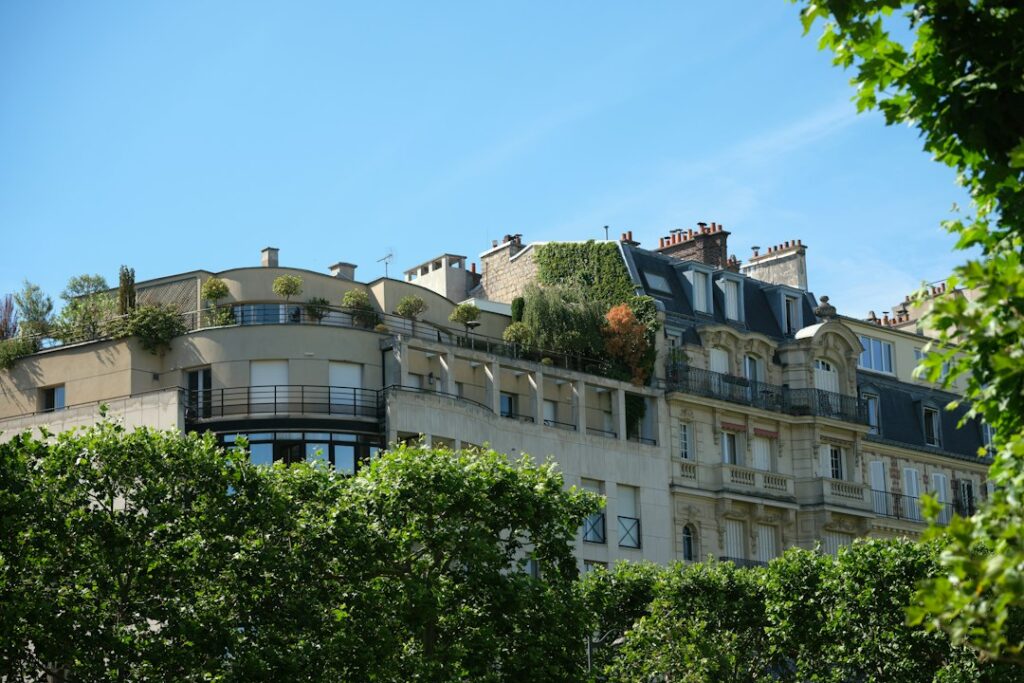
A green roof replaces part of a conventional roof surface with a planted system. It usually includes a waterproof membrane, root barrier, drainage layer, engineered growing medium, and specially selected plants.
For many area households, a green roof is an interesting environmental option but not a simple substitute for asphalt shingles. It tends to make the most sense on flat or low-slope roofs, garages, additions, accessory buildings, and larger structures designed to support the added weight.
What exactly is a green roof?
A green roof is a roof assembly that supports living plants above a waterproof roofing system. The plants are not placed directly on ordinary shingles. A properly designed system must control water, protect the membrane from roots, manage drainage, and prevent soil from washing or blowing away.
There are two general categories:
- Extensive green roofs use a shallow growing medium and low-growing plants. They are lighter and usually require less maintenance.
- Intensive green roofs use deeper soil and can support a wider range of plants, but they are heavier, more expensive, and closer to a rooftop garden.
An extensive system may use hardy sedums, low-growing perennials, or other plants selected for wind, drought, cold, and limited soil depth. A deeper system may include grasses, flowers, shrubs, or walking areas, but it requires substantially more structural support and upkeep.
Are green roofs practical in Wolcott, NY?
They can be practical, but the roof design and building structure matter more than the environmental appeal alone. Seasonal conditions in Wolcott include freezing temperatures, snow, rain, wind, freeze-thaw cycles, and periods of saturated soil. A green roof must be designed for those conditions rather than treated as a standard garden placed on top of a building.
The most favorable candidates are generally:
- Flat or low-slope roof sections
- Garages, porches, additions, and outbuildings
- New construction where structural capacity can be planned from the beginning
- Buildings with easy roof access for inspection and maintenance
- Roofs where stormwater control or habitat value is a specific goal
A steep residential roof is usually a poor candidate. Soil, water, and plants can shift on slopes, and installing safe access, edging, drainage controls, and erosion protection becomes more complicated.
What are the main benefits?
The strongest benefit is stormwater management. A planted roof can temporarily hold rainfall in its growing medium and drainage layers. Some of that water is used by the plants or released gradually, which can reduce the speed and volume of runoff during smaller storms.
Other potential benefits include:
- Protecting the waterproof membrane from direct sunlight and temperature swings
- Lowering roof surface temperatures during hot weather
- Providing limited insulation and sound reduction
- Creating habitat for insects and birds
- Adding visible vegetation where ground-level landscaping is limited
- Reducing the amount of heat absorbed by a large roof surface
These benefits are real, but they vary with the depth of the growing medium, plant health, roof size, weather, and maintenance. A small planted section on a garage will not provide the same stormwater or energy effect as a large vegetated roof on a commercial building.
Green roofs also do not eliminate the need for good insulation, air sealing, attic ventilation, or properly sized drainage. They are one part of a building system, not a replacement for basic roofing performance.
What are the disadvantages?
The most significant drawback is cost. A green roof requires more layers, specialized materials, careful detailing, and additional labor than a typical shingle roof. Structural evaluation may also be necessary before installation.
Weight is another major concern. Even a shallow system becomes heavier when the growing medium is saturated. Snow and ice add additional temporary weight during winter. A structure that supports an ordinary roof may not automatically support a planted roof safely.
Other limitations include:
- More complicated leak detection and repair
- Regular weeding and plant replacement
- Blocked drains if leaves or soil accumulate
- Greater difficulty accessing vents, skylights, chimneys, and other roof penetrations
- Potential damage from poor drainage or improperly installed root barriers
- More complicated snow and ice management
- The need to keep fast-growing trees and woody plants out of the system
A green roof that is neglected can become less attractive, less effective, and more difficult to repair than the original roof covering.

How does winter affect a planted roof?
Cold weather does not automatically rule out green roofing. Plants can survive winter when the growing medium, drainage, wind protection, and plant selection are appropriate. Snow can sometimes provide insulation for dormant vegetation.
The larger concern is the entire roof assembly. Repeated freezing and thawing can expose weaknesses in membranes, flashing, drains, and edge details. Ice must not be allowed to block drainage paths. Water trapped in the system can create problems if the roof was not designed to drain properly.
Snow removal also requires caution. Shoveling or scraping can damage plants, membranes, drainage mats, and protective layers. Any winter maintenance plan should identify where snow can safely be placed and how roof access will be handled without disturbing the planted areas.
Does a green roof require structural approval?
Often, yes. The roof must be evaluated for its permanent “dead load,” which includes the roof layers, growing medium, plants, edging, walkways, and drainage components. It must also account for temporary loads such as saturated soil, workers, equipment, snow, and stored water.
Building-code requirements may apply to structural design, roof drainage, fire safety, access, guardrails, and other details. Requirements can vary by the type of building and the scope of the work. In New York State, code compliance should be considered before materials are ordered or construction begins.
A structural review is especially important for older homes, framed additions, low-slope porches, and buildings with signs of sagging, water damage, or past alterations. A green roof should never be used to conceal an aging or questionable roof deck.
Is a green roof better than a reflective roof?
Not necessarily. The two systems solve different problems.
A reflective roof uses a light-colored or reflective surface to reduce solar heat absorption. It is generally simpler and lighter than a green roof. A green roof can provide stormwater retention, habitat, and surface cooling, but it costs more and requires more maintenance.
For a home with a conventional pitched roof, improved insulation, air sealing, attic ventilation, durable roofing materials, and well-maintained gutters may provide more practical value than adding vegetation. A reflective roof may also be easier to install when the primary goal is reducing summer heat.
Are green roofs worth it for homeowners?
For a typical single-family home, the answer is usually sometimes, but not automatically. A green roof may be worthwhile when the building already has a suitable flat roof, the structure can support the load, the owner values stormwater and habitat benefits, and long-term maintenance is acceptable.
It is less likely to be worthwhile when the roof is steep, the building is difficult to access, the structure needs major repairs, or the main goal is simply lowering heating and cooling costs. In those situations, insulation, air sealing, ventilation improvements, drainage repairs, or a durable conventional roof may address the underlying need more directly.
A practical evaluation should consider:
- Roof slope and shape
- Structural capacity
- Age and condition of the roof deck
- Drainage and overflow paths
- Snow and ice exposure
- Safe maintenance access
- Location of vents and other penetrations
- Expected service life of the waterproof membrane
- Who will maintain the plants and drains
- Whether local permits or code reviews are required
For Wolcott residents, green roofing is best viewed as a specialized building system rather than a decorative upgrade. It can be a responsible choice for the right structure, especially a low-slope roof planned around the system from the start. For many existing homes, however, conventional roof improvements may provide a better balance of durability, cost, and simplicity.
